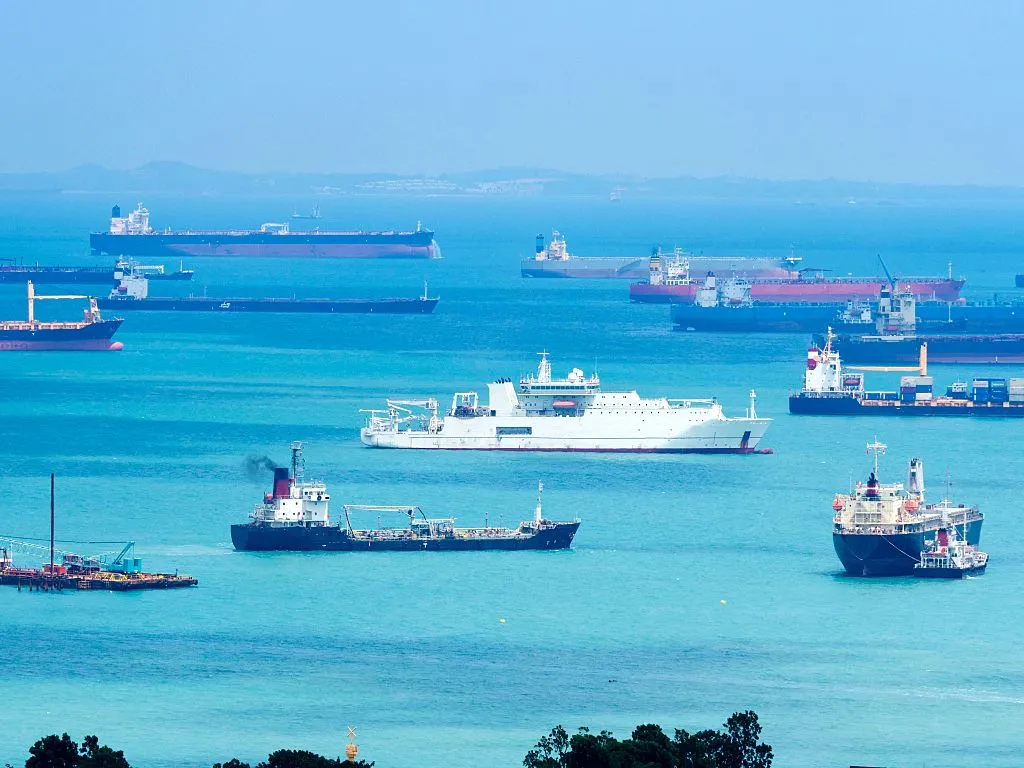
Saudi Arabia has long been known as the “swing exporter” in the oil market. It can pump out more or less crude in response to shocks, adjusting supply to stabilize or manipulate prices. Historically, no counterpart existed on the demand side. Barring a major economic crisis, consuming nations kept their purchases steady. That era has ended. After the Iran war, China has emerged as the world’s first oil “swing importer.”
China’s new role is not about producing oil but about flexibly managing its imports. In the wake of the US-Israeli war on Iran, Beijing has shown it can ramp down purchases when prices spike, drawing from its vast strategic reserves, and increase buying when prices dip. This ability to absorb or withhold demand gives China unprecedented leverage. Unlike other large consumers that maintain relatively fixed import volumes, China’s state-controlled oil companies and reserve policies allow real-time adjustments. The result: China now acts as a stabilizing force in global crude markets.
The implications extend far beyond the latest Middle East conflict. If the 1973 supply shock gave the world the term “Arab oil weapon,” the current crisis may birth a new concept: the “Chinese oil weapon.” Or perhaps “shield” is a better word, given how Beijing might wield its import flexibility in future standoffs with the United States. By moderating demand during supply disruptions, China blunts the impact of price spikes that have historically punished importing nations. This could reshape global energy security and Asian geopolitics.
Consider how this dynamic plays out. When the Iran war disrupted Middle East supplies, Saudi Arabia initially tried to calm markets by increasing output. But China’s response was more decisive. It cut spot purchases from the region, leaned on long-term contracts with Russia and other non-Middle East suppliers, and released oil from its strategic petroleum reserve. This dampened price volatility and reduced panic buying. Traditional oil importers like Japan and South Korea followed China’s lead more slowly due to inflexible infrastructure. China’s agility gave it a quiet but powerful influence over market outcomes.
The longer-term ramifications are profound. For decades, the oil market operated on a model where producers, led by Saudi Arabia, managed supply. The emergence of a demand-side swing player changes the balance of power. China can now effectively impose a price ceiling during crises by simply buying less. Conversely, if it wants to punish a producer or geopolitical rival, it could accelerate purchases and drive prices higher. This dual capability gives Beijing a new instrument of statecraft.
The impact on Saudi Arabia is significant. The kingdom’s influence as swing exporter diminishes if its demand counterpart can neutralize supply cuts. Riyadh will need to coordinate more closely with Beijing, not just with Moscow within OPEC+. China’s preference for stable, affordable oil may push Saudi Arabia to adopt more moderate pricing strategies. Meanwhile, US efforts to isolate China from global energy markets become far more complex if China can flex its import power to undercut sanctions or price caps.
Asian geopolitics also shift. Countries that depend on stable oil prices—like India, Japan, and South Korea—now have a de facto guardian in Beijing. This could increase their economic dependence on China and reduce their willingness to align with US security priorities in the region. China’s oil shield might come with political strings attached.
In summary, the concept of a swing importer is as transformative as the swing exporter was 50 years ago. China’s ability to modulate its oil purchases in response to shocks redefines market dynamics and geopolitical leverage. The 2026 war on Iran may be remembered not just for its devastation, but for minting a new Chinese tool that changes how energy power is wielded.
1 comment
Beşiktaş Kameralı Su Kaçağı Tespiti Nokta atışı kaçak bulma yaptılar. https://southernhospitalityoftexas.com/