Australia and Egypt Share the Spoils in a Dramatic FIFA World Cup 2026 Clash
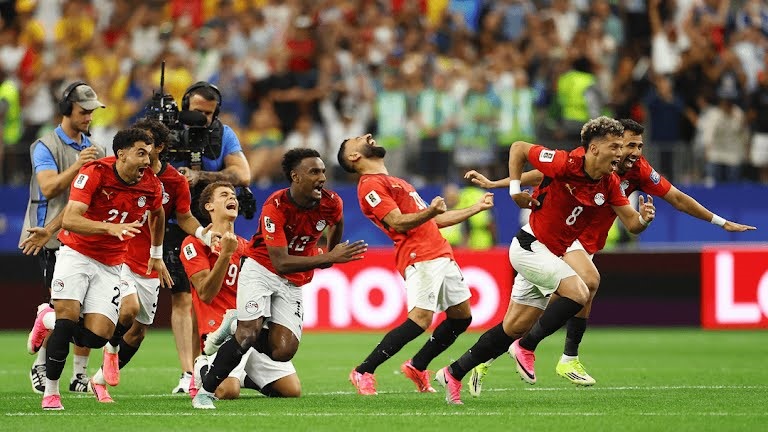
Football has a special way of bringing people together, and sometimes a single match can leave millions of fans talking long after the final whistle. The FIFA World Cup 2026 Round of 32 encounter between Australia and Egypt was one of those unforgettable contests. After 90 minutes of determined football, both teams finished level at 1-1, with the game eventually being decided by a dramatic penalty shootout. Egypt held their nerve from the spot to secure a 4-2 victory on penalties, ending Australia’s World Cup dream and booking their place in the next round.
From the opening whistle, both sides showed their determination to progress. Australia entered the match with confidence, relying on their physical strength, teamwork, and disciplined defending. Egypt, meanwhile, displayed their technical quality, patient passing, and quick attacking movements. Every challenge, every tackle, and every pass carried the weight of a nation’s hopes.
The breakthrough came in an unexpected way. Australia took the lead thanks to an unfortunate own goal by Mohamed Hany in the 55th minute. As the ball found the back of the Egyptian net, Australian players celebrated wildly while their supporters believed victory was within reach. For Egypt, however, the setback only strengthened their resolve. Rather than losing confidence, they increased the pressure and searched tirelessly for an equalizer.
Egypt’s persistence paid off in the 73rd minute when Emam Ashour scored a well-deserved goal to level the match at 1-1. The Egyptian fans erupted with joy, sensing that the momentum had shifted in their team’s favor. Australia tried to respond with attacks of their own, but Egypt’s defense stood firm. As the clock ticked down, both teams created chances, yet neither could find the winning goal before the final whistle.
Looking at the match statistics, it becomes clear how closely contested the game was. Australia managed 15 shots, while Egypt recorded 14 shots, showing that both teams looked for attacking opportunities throughout the match. Egypt had the edge in accuracy with 4 shots on target compared to Australia’s 3.
Possession also favored Egypt, who controlled 58% of the ball, while Australia had 42%. This allowed Egypt to dictate the rhythm of the game for long periods. Their passing game was particularly impressive, completing 696 passes with an 89% pass accuracy, compared to Australia’s 518 passes at 83% accuracy. These numbers reflect Egypt’s patient build-up play and their ability to maintain control under pressure.
Australia, however, showed tremendous determination in defense and physical battles. They committed 12 fouls, slightly fewer than Egypt’s 14. Discipline also played a role, with Egypt receiving 2 yellow cards, while Australia avoided any bookings. Egypt won 7 corner kicks, nearly doubling Australia’s 4, highlighting their attacking pressure throughout the contest.
With neither side able to score again, the match moved into a tense penalty shootout. Penalties are often described as football’s greatest emotional test, where skill and composure matter just as much as talent. Egypt’s players stepped up with remarkable confidence, converting four of their penalties. Australia, despite their brave effort throughout the match, managed only two successful spot-kicks. As Egypt scored the decisive penalty, celebrations broke out among players and supporters, while Australian players were left heartbroken after giving everything on the field.
Many football fans watching the match asked the same questions. How did Australia lose after taking the lead? The answer lies in Egypt’s resilience and ability to remain calm under pressure. Others wondered, Was the own goal the turning point? While it certainly gave Australia an advantage, Egypt responded with maturity and never allowed the setback to define their performance.
Another common question from supporters was, Who deserved to win? Based on the overall statistics, Egypt enjoyed more possession, completed more passes, created more corner opportunities, and matched Australia in attacking intent. At the same time, Australia fought courageously and defended with great commitment, making the contest incredibly balanced. In the end, football often rewards the team that stays composed in the decisive moments, and Egypt did exactly that during the penalty shootout.
For Australian supporters, this defeat will be painful. Their team showed courage, discipline, and determination, and there is much to be proud of despite the result. Football can be cruel, especially when a tournament journey ends through penalties. Many fans will remember the fighting spirit their players displayed until the very end.
For Egypt, this victory represents more than simply reaching the next round. It demonstrates character, belief, and resilience. Coming back after conceding an own goal and then winning under the immense pressure of penalties is a testament to the team’s mental strength. Their supporters will celebrate not only the result but also the courage shown by every player on the pitch.
This match reminded the football world why the FIFA World Cup remains the greatest stage in the sport. It delivered drama, emotion, heartbreak, and unforgettable moments in equal measure. Whether you supported Australia or Egypt, it was a contest that captured the true spirit of football—a game where determination, hope, and belief can change everything in a matter of minutes.