Meta’s New Smartglasses: A Glimpse Into the Future of Wearable AI
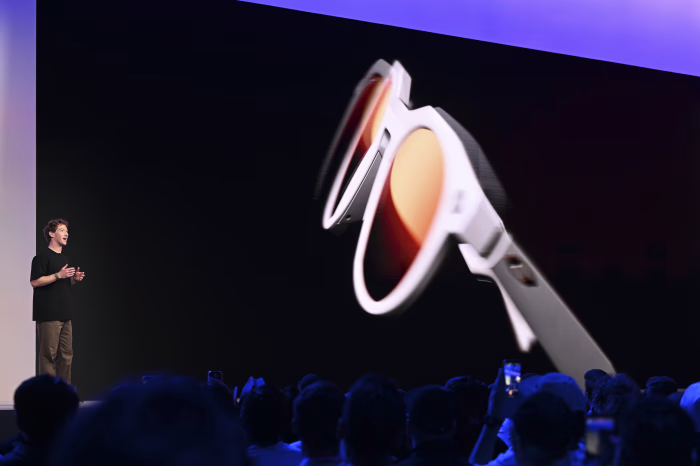
Meta Platforms, the tech giant behind Facebook, Instagram, and the metaverse push, has once again made headlines—this time with a bold leap into the future of wearable technology. At its annual hardware and developer conference, CEO Mark Zuckerberg unveiled a new pair of smartglasses that blend sleek design, AI-powered features, and a built-in display, signaling Meta’s continued ambition to redefine how we interact with the digital world.
A New Kind of Smartglass
The newly announced smartglasses are not just an upgrade—they represent a paradigm shift. Unlike previous iterations that focused primarily on audio and camera capabilities, this version includes a small integrated display, allowing users to view information directly in their field of vision. This addition transforms the glasses from a passive device into an active interface, capable of delivering real-time data, notifications, and contextual insights without the need to pull out a phone.
What makes this even more compelling is the integration of artificial intelligence. Meta’s smartglasses are designed to respond to subtle hand gestures, making interaction more intuitive and less reliant on voice commands or physical buttons. This gesture-based control system could be a game-changer for accessibility and convenience, especially in noisy environments or situations where speaking aloud isn’t ideal.
AI at the Forefront
Artificial intelligence is the beating heart of Meta’s new wearable. The glasses are equipped with AI capabilities that allow them to understand context, anticipate user needs, and deliver relevant information seamlessly. Whether it’s identifying landmarks, translating languages, or offering reminders, the AI engine is designed to be proactive and personalized.
This move aligns with Meta’s broader strategy to embed AI into every facet of its ecosystem. From generative AI tools in Instagram to conversational agents in Messenger, the company is betting big on intelligent systems that can enhance user experience across platforms. The smartglasses are a natural extension of this vision—bringing AI out of the screen and into the real world.
Beyond the Smartphone
One of the most intriguing aspects of Meta’s smartglasses is their potential to reduce dependence on smartphones. By offering a heads-up display and hands-free control, the glasses could become a primary interface for digital interaction. Imagine checking your calendar, replying to messages, or navigating city streets—all through a discreet pair of glasses.
This isn’t just about convenience; it’s about redefining the relationship between humans and technology. Meta envisions a future where digital content is seamlessly layered onto the physical world, creating a mixed-reality experience that feels natural and immersive. The smartglasses are a step toward that future, blurring the lines between virtual and real.
Privacy and Practicality
Of course, any device that captures data and overlays information raises questions about privacy. Meta has faced scrutiny in the past over its handling of user data, and the smartglasses will likely reignite those concerns. The company will need to be transparent about what data is collected, how it’s used, and what controls users have over their information.
On the practical side, the glasses appear to be designed with everyday use in mind. They’re lightweight, stylish, and reportedly offer decent battery life. Meta seems to have learned from earlier missteps—like the bulky and awkward designs of past AR headsets—and is now focusing on wearability and user comfort.
The Bigger Picture
Meta’s smartglasses are more than just a gadget—they’re a statement. They reflect the company’s commitment to building a future where augmented reality and AI are not confined to niche applications but are part of daily life. This aligns with Zuckerberg’s long-term vision of the metaverse: a fully immersive digital environment where people can work, play, and connect.
While the metaverse itself remains a work in progress, devices like these smartglasses are laying the groundwork. They offer a tangible glimpse into what that future might look like, and they give developers a platform to start building the experiences that will populate it.
What’s Next?
The unveiling of Meta’s smartglasses is just the beginning. As the technology matures, we can expect more advanced features, broader app integration, and perhaps even partnerships with other companies to expand functionality. The race to dominate the wearable tech space is heating up, and Meta is clearly positioning itself as a frontrunner.
Whether these glasses will become a mainstream hit or remain a niche product depends on many factors—price, performance, and public perception chief among them. But one thing is clear: Meta is not just imagining the future; it’s actively building it.