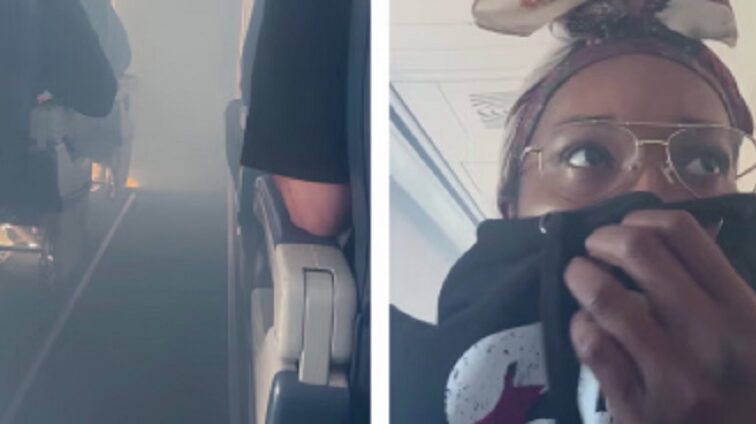
Toxic Fumes in Air Travel: The Hidden Hazard Above the Clouds
Air travel has long been celebrated for its speed and convenience, connecting people across continents in mere hours. But beneath the glamour of jet-setting lies a lesser-known concern—toxic fumes circulating within aircraft cabins. While passengers may be focused on legroom or in-flight entertainment, a silent threat could be affecting their health with every breath.
The Source of the Problem: Bleed Air Systems
Most commercial aircraft use a system called bleed air to pressurize and ventilate the cabin. This air is drawn from the engines, compressed, and then cooled before being circulated inside. While efficient, this method carries a risk: if engine seals fail or malfunction, oil, hydraulic fluid, or other chemicals can leak into the air supply, releasing toxic fumes into the cabin.
These incidents are known as “fume events.” Though often brief and sporadic, they can expose passengers and crew to substances like tricresyl phosphate (TCP)—a neurotoxic chemical found in engine oil. The symptoms range from headaches and dizziness to long-term neurological damage in severe cases.
Crew Members Sound the Alarm
Flight attendants and pilots are among the most vocal advocates for reform. Many have reported experiencing chronic fatigue, memory loss, and respiratory issues after repeated exposure to contaminated cabin air. Some have even been forced to retire early due to health complications they believe stem from fume events.
Unions and advocacy groups have pushed for greater transparency and accountability, urging airlines to install air quality sensors and filtration systems that can detect and neutralize harmful substances. However, progress has been slow, and many aircraft still lack these basic safety measures.
Underreporting and Industry Pushback
One of the biggest challenges in addressing toxic fumes is the lack of consistent reporting. Fume events are often dismissed as minor or isolated, and passengers may not even realize they’ve been exposed. Airlines, wary of liability and reputational damage, have been accused of downplaying the issue.
In some cases, crew members who speak out face retaliation or pressure to remain silent. This culture of secrecy has made it difficult to gather reliable data and implement meaningful change.
Scientific Scrutiny and Health Risks
Researchers have begun to investigate the long-term effects of exposure to contaminated cabin air. Studies suggest that even low-level exposure to certain chemicals can lead to neurological symptoms, especially in individuals with repeated exposure—like airline staff.
There’s also concern about vulnerable populations, such as children, the elderly, and those with preexisting conditions. For them, a single fume event could trigger serious health consequences.
Despite mounting evidence, regulatory bodies like the Federal Aviation Administration (FAA) and European Union Aviation Safety Agency (EASA) have yet to mandate comprehensive air quality monitoring across all aircraft.
What Can Be Done?
Solutions exist, but implementation has lagged. Experts recommend:
- Installing real-time air quality sensors to detect contaminants immediately.
- Upgrading filtration systems to remove toxic particles before they reach passengers.
- Improving engine design to prevent oil and fluid leaks into the bleed air system.
- Training crew members to recognize and respond to fume events effectively.
Some newer aircraft models, like the Boeing 787 Dreamliner, use electrically powered compressors instead of bleed air, eliminating the risk of engine oil contamination. However, these models are still a minority in global fleets.
What Passengers Should Know
While passengers have limited control over cabin air systems, awareness is key. If you notice a chemical smell, feel dizzy, nauseous, or experience breathing difficulties during a flight, report it to the crew immediately. Document the incident and seek medical attention if symptoms persist.
Frequent flyers may also consider choosing airlines that operate newer aircraft with advanced air systems, though such information isn’t always readily available.
A Call for Transparency and Reform
The issue of toxic fumes in air travel is a stark reminder that technological convenience should never come at the cost of human health. As awareness grows, so does the pressure on airlines and regulators to act.
Passengers deserve clean, safe air—especially in an environment where escape is impossible at 35,000 feet. The aviation industry must prioritize transparency, invest in safer technologies, and protect the people who keep the skies moving.